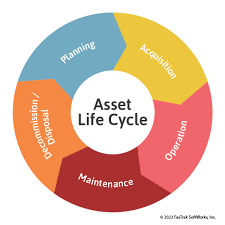
When I think about managing software in any organization I know it’s more than just installing programs and hoping everything runs smoothly. The software asset lifecycle covers every step from planning and purchasing to retiring outdated tools. Getting this process right means saving money staying compliant and keeping operations efficient.
I’ve seen firsthand how quickly software needs can change as teams grow and technology evolves. If I don’t pay attention to each stage of the lifecycle I risk security gaps unexpected costs and wasted resources. That’s why understanding the software asset lifecycle isn’t just helpful—it’s essential for any business aiming to stay competitive.
Understanding the Software Asset Lifecycle
Key Phases of the Software Asset Lifecycle
I look at the software asset lifecycle as a set of interconnected stages that cover every interaction an organization has with its software. Each phase impacts cost control, security, and operational compliance.
Planning: I collect requirements, set software budgets, and define approval workflows upfront, minimizing future risks.
Acquisition: I evaluate vendors, negotiate licensing terms, and document new purchases for transparent spending.
Deployment: I track installations, configure settings, and integrate assets across hardware platforms, keeping license usage visible.
Maintenance: I monitor for patches, apply updates, and manage security vulnerabilities to protect organizational data.
Retirement: I identify obsolete or unsupported assets and oversee removal or replacement, ensuring compliance with licensing agreements.
Typical Software Asset Lifecycle Table
Phase
Key Actions
Example Outcome
Planning
Requirement analysis, budgeting
Budget approval for new CRM tool
Acquisition
Vendor selection, purchase orders
Legal compliance documentation stored
Deployment
Install, configure, integrate
HR system deployed to user workstations
Maintenance
Patch, update, monitor
Accounting software updated quarterly
Retirement
Decommission, audit, recycle
Old antivirus replaced, licenses revoked
Casino Software Asset Lifecycle Considerations
Casino operations depend on licensed gaming software, back-office solutions, and security platforms, making asset management vital for both compliance and competitiveness.
Compliance Auditing: I track every gaming and management software license to satisfy regulatory bodies like state gaming commissions.
Change Management: I document patch schedules for slot machine platforms and point-of-sale systems to reduce downtime during busy periods.
Security Assurance: I monitor real-time casino management solutions for vulnerabilities and initiate fast response for any findings, keeping patron data safe.
Lifecycle Metrics for Casinos
Metric
Impact on Operation
Sample Value
Unused License Ratio
Identifies waste
12%
License Audit Frequency
Sustains compliance posture
Quarterly
Patch Response Time
Reduces exposure windows
48 hours per incident
Key Stages of the Software Asset Lifecycle
Software asset lifecycle management hinges on coordinated actions at each phase. I manage risks, control costs, and deliver operational continuity when I track these stages for every software asset.
Planning and Procurement
Planning and procurement drive requirement alignment and budget control. I define business requirements, analyze user needs, and assess current inventory to avoid redundancies. For procurement, I evaluate vendor options, compare licensing models, and negotiate contract terms to ensure compliance from day one.
Key Planning and Procurement Metrics
Metric
Definition
Example Value
Budget Adherence (%)
Procurement spend vs planned budget
98%
Vendor Compliance Rate
% of purchases from approved vendors
95%
License Utilization (%)
% of procured licenses in active use
87%
Deployment and Usage
Deployment and usage enable consistent software rollout and user adoption. I track installations with asset management tools, validate license assignment, and monitor configuration to ensure environments match operational needs. Usage data helps me identify underused or redundant applications.
Deployment/Usage Indicators
Indicator
Description
Target Value
Average Deployment Time
Time to deploy per software asset
2 days
Installation Accuracy
Successful installs vs total attempts
99%
Maintenance and Support
Maintenance and support preserve software performance and compliance. I issue updates, manage patches, and schedule upgrades. Monitoring tools alert me to vulnerability exposure. Support tickets help track resolution times and user satisfaction.
Maintenance Metrics
Metric
Purpose
Example Value
Patch Response Time (hrs)
Average time from patch release to deploy
24
Open Incidents (%)
Incidents not resolved within SLA
3%
Retirement and Disposal
Retirement and disposal eliminate risk from obsolete software. I schedule end-of-life reviews, document retirements, and verify data removal. Secure disposal or reallocation supports compliance with audit requirements and data privacy mandates.
Retirement Process Steps
Identify and list legacy applications
Notify stakeholders of impending retirement
Remove user access and archive configuration data
Ensure software removal from all devices
Document actions for audit traceability
Casino-Specific Software Asset Controls
Regulatory requirements and patron protection drive casino software asset management. I align procedures with gaming commission mandates, verify software integrity, and support traceability for audits. Metrics help me measure risk and flag compliance gaps for remediation.
Metric
Description
Casino Target
Unused License Ratio (%)
% of unused licenses over deployed total
≤5%
Compliance Incident Rate
Audit findings per year
0
Security Patch Lead Time (hrs)
Time to patch critical gaming systems
<12
Benefits of Effective Software Asset Lifecycle Management
Optimizing the software asset lifecycle increases organizational control, reduces unnecessary spending, and mitigates security and compliance risks. By continuously aligning processes with business needs, I ensure software remains current, compliant, and cost-effective.
Cost Savings and Resource Optimization
Managing software assets throughout their lifecycle consistently cuts unnecessary expenses and consolidates redundant licenses. I track software usage, renegotiate contracts based on real usage data, and reclaim unused licenses—for example, identifying surplus Microsoft Office seats or consolidating overlapping Adobe subscriptions. These strategies lower overall software costs and prevent overspending.
Cost Control Metric
Description
Example
License Utilization Rate
% of purchased licenses in use
88% (Adobe Creative)
Unused License Ratio
% of licenses idle/obsolete
12% (Office 365)
Annual Spend Reduction
Year-over-year software savings
$24,000 (company-wide)
Improved Security and Risk Mitigation
Proactively managing assets enables me to patch vulnerabilities quickly and decommission unsupported software. Rapid identification and retirement of end-of-life systems—such as legacy Windows servers or outdated encryption tools—reduce attack surface and support continuous audit readiness. This directly lowers cybersecurity incidents tied to unpatched applications.
Security Metric
Description
Example
Patch Response Time
Avg. days to remediate CVEs
2 days
Security Vulnerability Count
# of active unpatched high risks
1 (current quarter)
Obsolete Asset Removal Rate
% of EOL software promptly retired
100% within 30 days
Streamlined Compliance and Auditing
Clear lifecycle processes deliver audit traceability and ensure software remains compliant with licensing agreements and regulatory mandates. I maintain up-to-date records proving license validity and change management approval trails for regulated environments like gaming or healthcare. Demonstrating adherence to key metrics—such as successful audit pass rates and documented asset retirements—expedites external reviews.
Compliance Metric
Description
Example
Audit Pass Rate
% of audits passed without penalty
100% (annual)
Documentation Completeness
% of assets with full lifecycle records
98%
Regulatory Compliance Incidents
# of license/compliance violations reported
0 (past 12 months)
Operational Efficiency Gains
Lifecycle management increases operational efficiency by standardizing deployment, automating routine updates, and reducing manual interventions. By integrating asset management tools and workflows, I coordinate software rollouts across hundreds of endpoints and minimize disruption from emergencies or outages.
Efficiency Metric
Description
Example
Average Deployment Time
Hours from purchase to user
1.5 hours
Incident Resolution Time
Mean time to resolve software
22 minutes
Installation Accuracy Rate
% of error-free deployments
99.6%
Casino Compliance: Regulatory Oversight and Control
Casino operations depend on strict software lifecycle management to ensure compliance with gaming commission mandates and secure patron data. I monitor software inventory for unauthorized applications, verify that gaming systems receive timely security patches, and document every change for audit readiness.
Casino-specific Metric
Description
Example
Gaming System Audit Pass Rate
% of inspections passed without findings
100% (semiannual)
Change Control Traceability
% of changes with documented approvals
100% (last 2 years)
Critical Systems Patch Time
Avg. days to patch high-risk applications
1 day
Effective software asset lifecycle management strengthens cost control, risk mitigation, regulatory compliance, and operational agility across standard and regulated environments such as casinos.
Challenges in Managing the Software Asset Lifecycle
Oversight of software assets demands precision across each phase. Complexity grows as organizations scale, leading to six main challenge areas: visibility, licensing, integration, patching, cost control, and regulatory compliance.
1. Incomplete Asset Visibility
Visibility gaps cause duplicate purchases and compliance failures.
Multiple procurement channels, for example, direct vendor contracts and self-service marketplaces, fragment data sources
Remote work increases shadow IT, with personal or unmanaged devices running unapproved software
2. License Management Complexity
Licensing mismatches trigger audit risks and wasted spend.
Vendors, such as Microsoft and Oracle, update licensing terms frequently, complicating entitlement tracking
Subscription, perpetual, usage-based, and concurrent models, for example, require tailored tracking systems
3. Integration and Deployment Challenges
Integration complexity delays value realization and increases support needs.
Diverse environments (cloud, on-premises, hybrid) add compatibility layers, as seen when deploying ERP platforms across regions
Legacy systems, for example, often require manual intervention
4. Inconsistent Patch and Update Cycles
Delayed patches expose systems to vulnerabilities.
Multiple OS and application versions, for instance, require parallel patch cycles
Change windows and approval workflows, such as in financial or healthcare environments, slow response time
5. Cost Control and Optimization Obstacles
Ineffective cost tracking leads to budget overruns.
Usage sprawl, such as unused desktop apps or multiple SaaS subscriptions, skews total cost of ownership
License misassignment, for example, allocating premium seats to infrequent users, wastes resources
6. Regulatory and Security Compliance Risks
Noncompliance can result in fines or business repercussions.
Legal mandates, such as GDPR or HIPAA, drive data residency and audit documentation obligations
Untracked retirements let unsupported tools persist, raising incident probability
Table: Common Software Asset Lifecycle Challenges
Challenge Area
Example
Risk/Impact
Asset Visibility
Unapproved SaaS usage
Audit failures, data leaks
License Management
Misused volume licenses
Vendor fines, shelfware
Integration/Deployment
Legacy software conflict
Deployment delays, higher support effort
Patch Management
Delayed security patches
Increased vulnerability, breach risk
Cost Control
Overlapping subscriptions
Budget excess, resource waste
Regulatory Compliance
Lack of audit trail
Penalties, reputational damage
Casino-Specific Challenge: Regulatory Audit and Real-Time Compliance
Frequent system audits, for example, require immutable records for each asset change
Real-time compliance checks, such as monitoring game integrity software or anti-fraud modules, are essential to avoid license revocation
Large, multi-venue enterprises, like regional casino chains, require consistent policy enforcement regardless of geography
Table: Casino Software Asset Lifecycle—Regulatory Pain Points
Requirement
Example System
Lifecycle Challenge
Casino Impact
Change Documentation
Slot Management
Manual logs, data integrity
Slower audit response
Integrity Validation
Payment Processing
Outdated version reporting
Noncompliance penalties
Patch Verification
Loyalty Platforms
Approval process delays
Increased window for vulnerabilities
License Traceability
Surveillance Tools
Incomplete asset map
Regulatory investigation triggers
Best Practices for Optimizing the Software Asset Lifecycle
Enhancing Asset Visibility
I centralize software inventories with automated discovery tools. Asset discovery scans, software identification, and license reconciliation run consistently to reduce shadow IT. Dashboards like ServiceNow or Lansweeper maintain current asset records for compliance.
Tool
Core Function
Asset Visibility Impact
ServiceNow
ITSM & Asset Management
Centralized inventory
Lansweeper
Auto-discovery
Real-time asset insight
Flexera
License management
Redundancy avoidance
Simplifying License Management
I consolidate licensing data in a unified system. Central platforms like Flexera or Snow Software reconcile entitlements and create real-time usage alerts. License audits use automated templates to expose surplus or under-deployed entitlements.
License Type
Example Vendors
Management Approach
Per-user
Microsoft, Adobe
Regular true-up audits
Per-device
AutoDesk, Oracle
Device-level compliance checks
Subscription
Salesforce, Zoom
Expiry alerts, usage review
Streamlining Integration and Deployment
I standardize deployment through configuration management tools. Automated deployment scripts reduce errors, while templated images (SCCM, Intune) minimize configuration drift across endpoints. Application health checks follow every rollout.
Establishing Consistent Patch and Update Cycles
I schedule regular vulnerability scans and align patch deployment with business downtime. Change management systems document approvals and track patch histories. Key indicators include patch compliance percentage and open vulnerabilities count.
Metric
Description
Target Value
Patch compliance rate
Percentage of systems up to date
>95%
Patch latency (days)
Avg. days from patch release to deploy
<7
Open vulnerabilities
Unresolved critical issues
0 (critical only)
Adopting Proactive Cost Control Processes
I review license utilization rates quarterly. Usage reports inform renewal negotiations for enterprise contracts. Unused licenses are reclaimed or redeployed, using insights from platforms like Flexera One.
Strengthening Regulatory Compliance in Casino Operations
I implement immutable audit trails for all casino gaming systems to address casino compliance mandates. Automated license tracking tools monitor for unauthorized software. All asset changes are logged to meet gaming commission standards.
Casino Compliance Metric
Description
Regulatory Impact
Unused license ratio
Unassigned casino software licenses
Indicates optimization level
Audit traceability
Completeness of asset change logs
Reduces risk of audit failure
Compliance incident rate
Security or license violations per quarter
Reflects risk management efficacy
Monitoring Key Lifecycle Metrics
I track KPIs for each phase of the software asset lifecycle. Metrics like deployment times, support response, and incident rates offer a quantitative view of lifecycle health.
Lifecycle Stage
Metric
Benchmark
Planning
Budget adherence
>98%
Acquisition
Vendor compliance rate
100%
Deployment
Average rollout time (days)
<5
Maintenance
Patch response time (days)
<7
Retirement
Obsolete asset removal rate
>99%
Conclusion
Managing the software asset lifecycle isn’t just about keeping up with technology—it’s about making smarter business decisions every step of the way. I’ve found that staying proactive with asset management not only boosts efficiency but also helps avoid costly surprises and compliance headaches.
Whether you’re working in a highly regulated environment like a casino or any other industry, a well-structured approach to software assets pays off. By tracking the right metrics and embracing best practices, you’ll keep your organization agile, secure, and ready for whatever comes next.
No responses yet